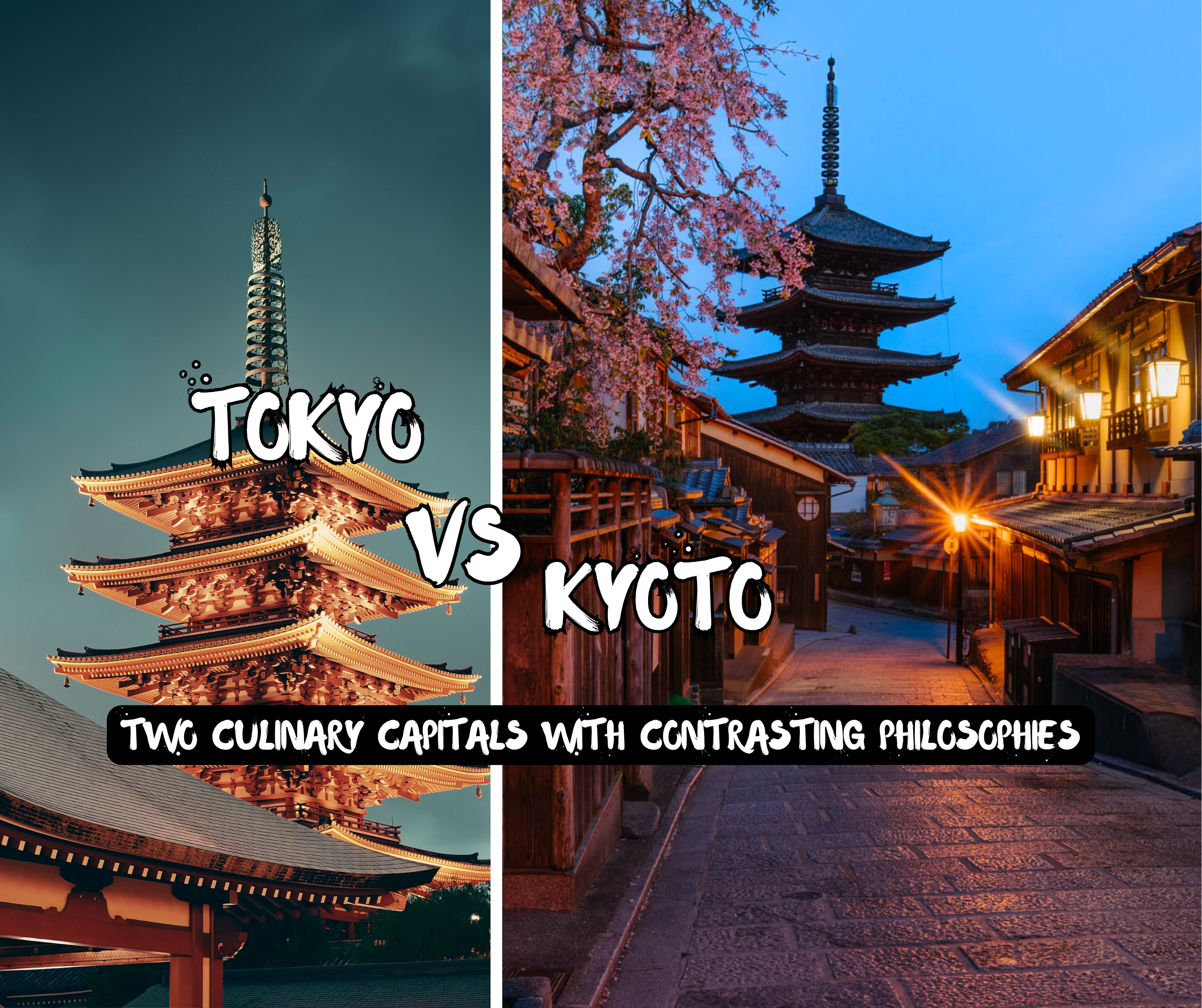
Japan’s culinary landscape is defined by two cities in quiet opposition.
Both are capitals of taste, yet they speak entirely different languages.
Tokyo looks forward — restless, experimental, global.
Kyoto looks inward — restrained, seasonal, and deeply spiritual.
Together, they form the philosophical backbone of Japanese gastronomy.
Tokyo — Where Innovation Never Sleeps
Tokyo is the world’s most concentrated laboratory of fine dining. With more Michelin-starred restaurants than any other city, its chefs thrive on reinterpretation — absorbing global influences while continuously challenging Japanese culinary norms.
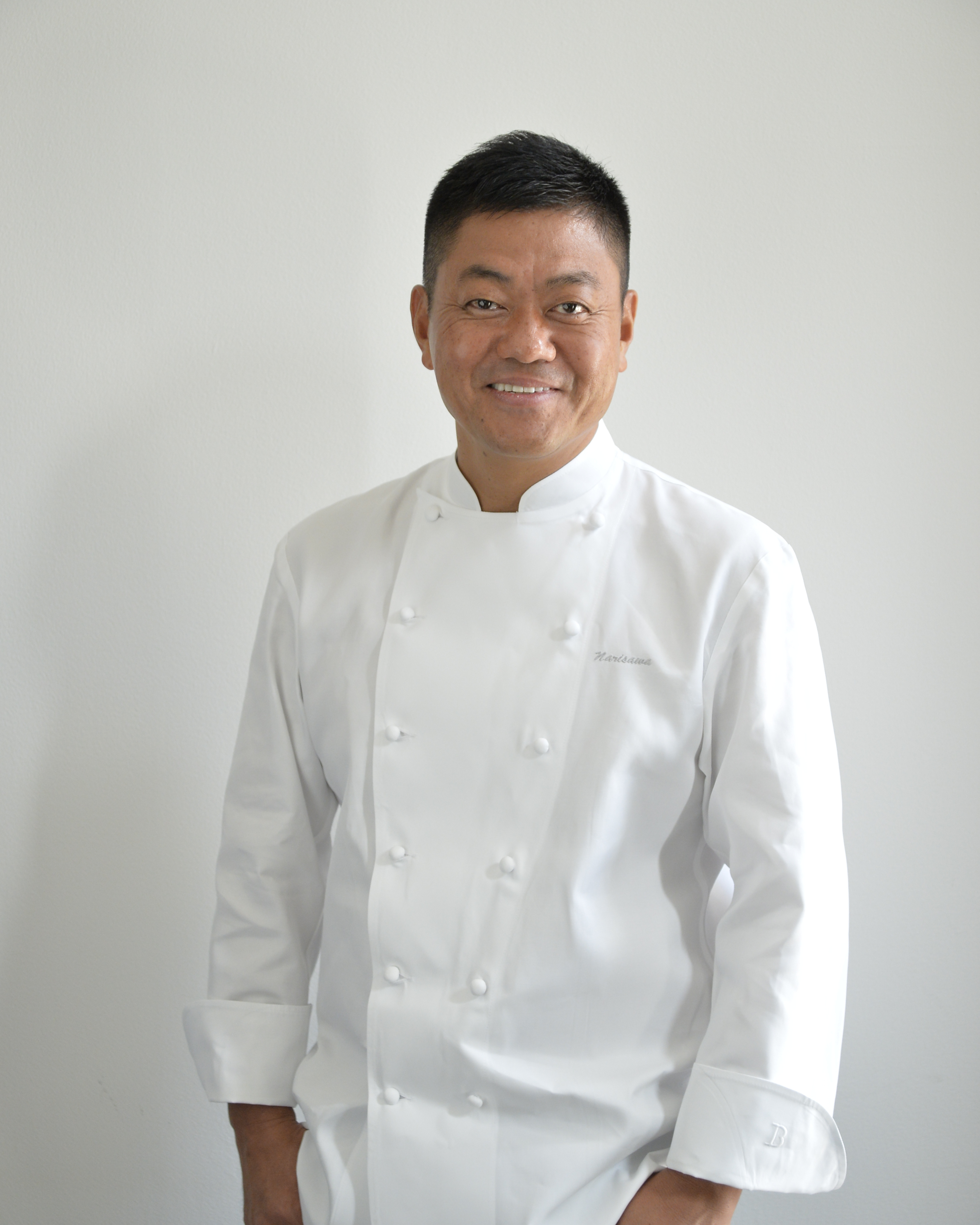
At NARISAWA, Chef Yoshihiro Narisawa leads the movement of Satoyama cuisine, where sustainability, ecology, and gastronomy merge. His work reflects modern Japan’s dialogue with nature, science, and responsibility.
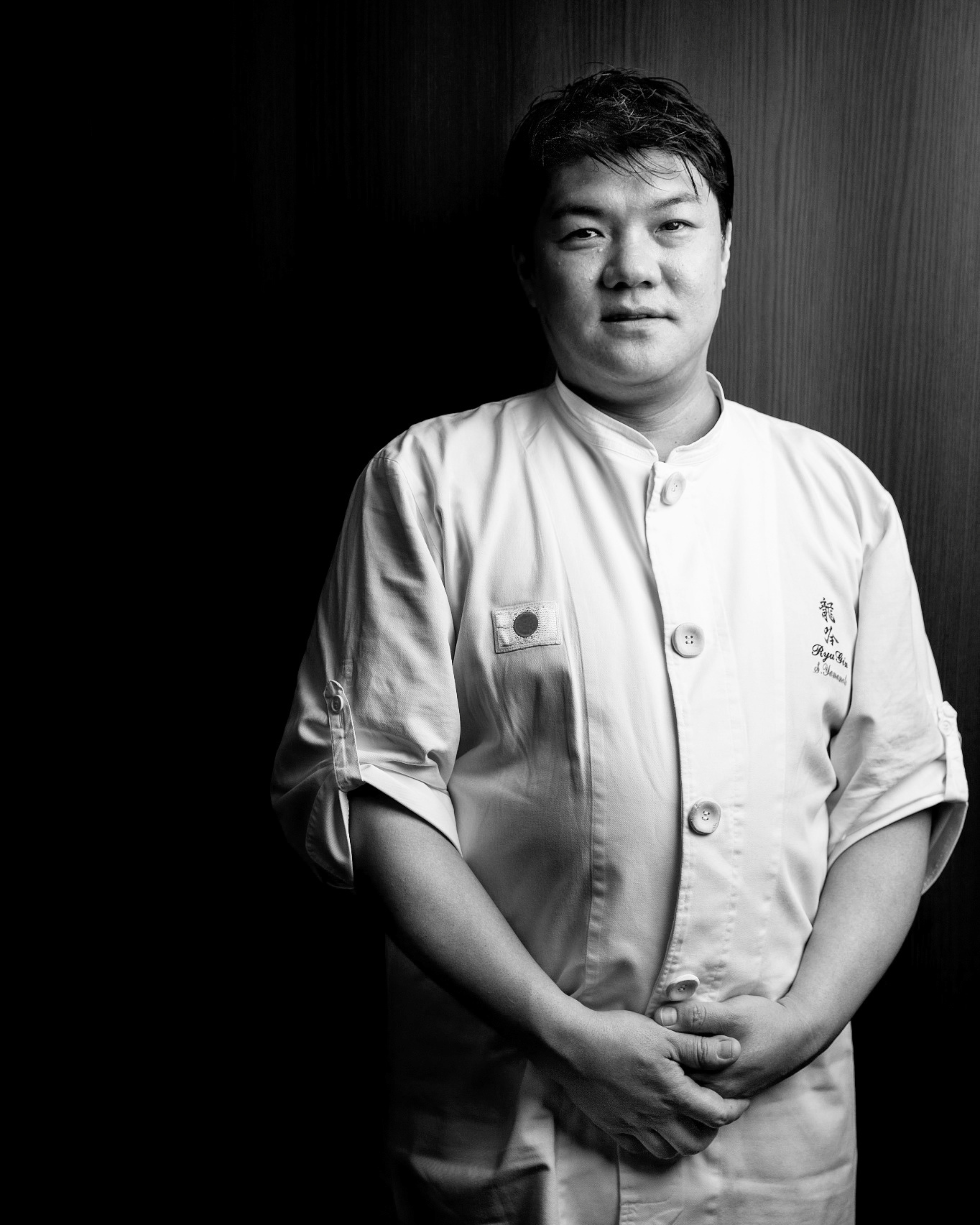
Chef Seiji Yamamoto of Nihonryori RyuGin pushes even further. Known for his scientific approach to kaiseki, Yamamoto dissects tradition at a molecular level — enhancing texture, aroma, and umami while remaining deeply respectful of Japanese culinary philosophy.
In Tokyo, innovation is not rebellion.
It is evolution.
Kyoto — The Guardians of Culinary Memory
Kyoto is not concerned with trends.
It is concerned with continuity.
As the birthplace of Kaiseki, Kyoto preserves an ancient dining culture built on seasonality, restraint, and precision. Here, chefs act less as innovators and more as custodians of living heritage.
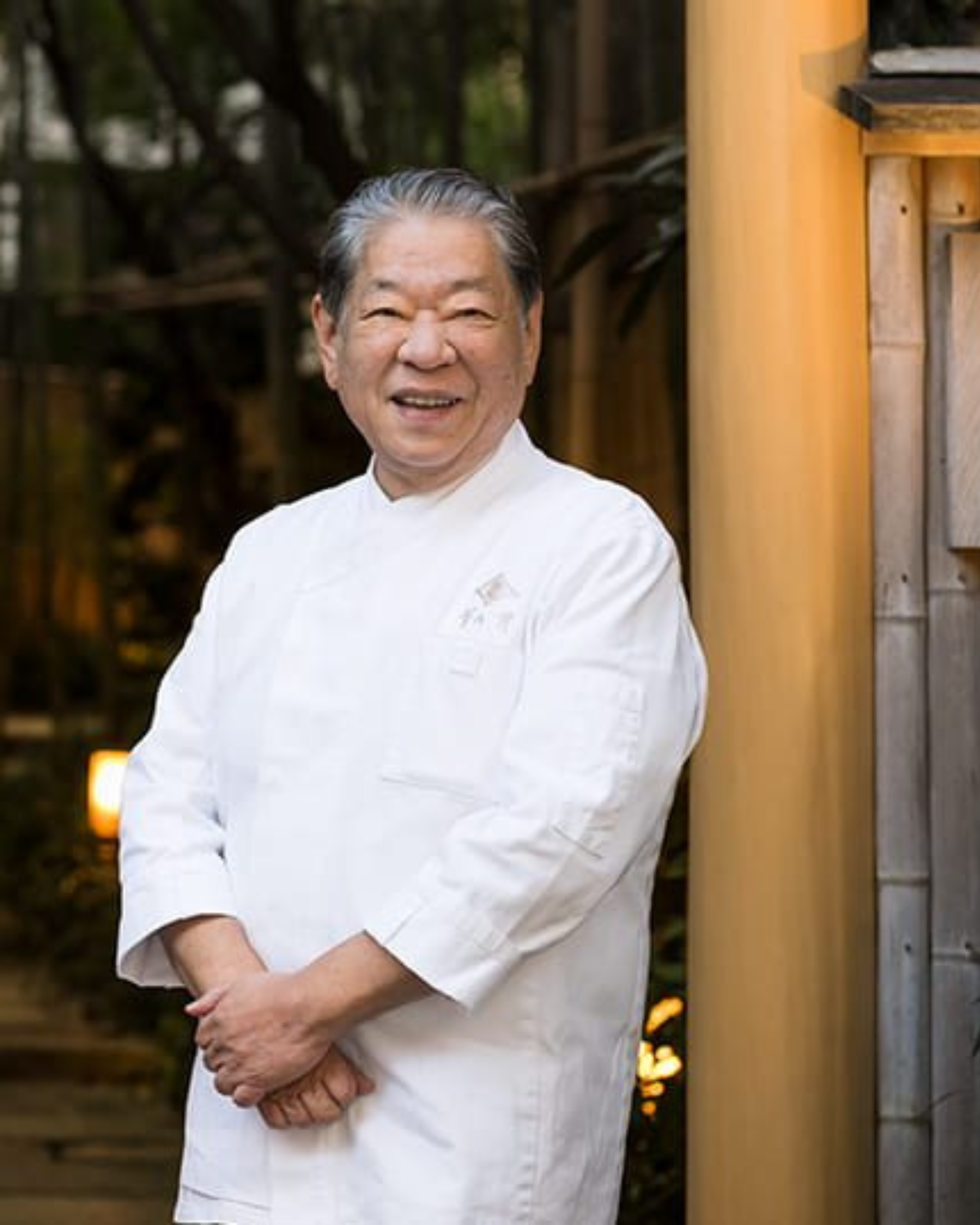
At Kikunoi, Chef Yoshihiro Murata stands as one of Japan’s most respected culinary figures. His work is a masterclass in balance — honoring centuries-old techniques while allowing subtle, thoughtful evolution.
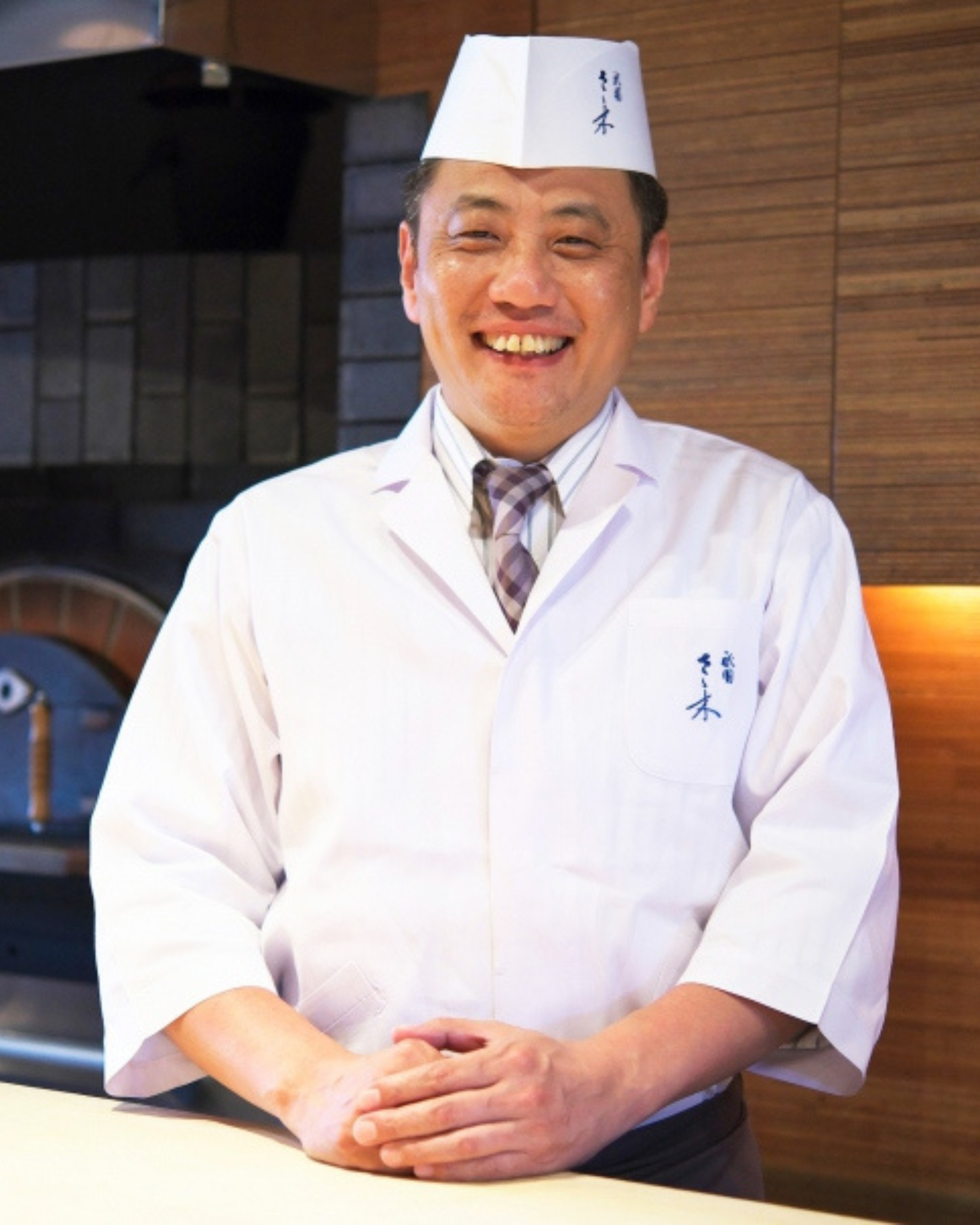
Chef Hiroshi Sasaki of Gion Sasaki introduces a lighter touch — playful yet reverent. His cuisine reflects Kyoto’s soul: calm, poetic, and deeply seasonal, where every dish is a moment in time rather than a statement.
In Kyoto, perfection is achieved through restraint, not excess.
Two Cities, One Culinary Identity
Tokyo and Kyoto do not compete — they complete one another.
Tokyo represents momentum, curiosity, and global dialogue.
Kyoto represents memory, discipline, and cultural preservation.
In 2025, Japan’s culinary strength lies precisely in this contrast. Innovation without tradition is hollow; tradition without evolution is static. Together, these two cities define not only Japanese cuisine — but the future of global gastronomy itself.
Special Edition — The Culinary World Gazette